insitro founder & CEO, transforming drug discovery with AI
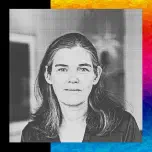
Daphne Koller
Biographies
Profile
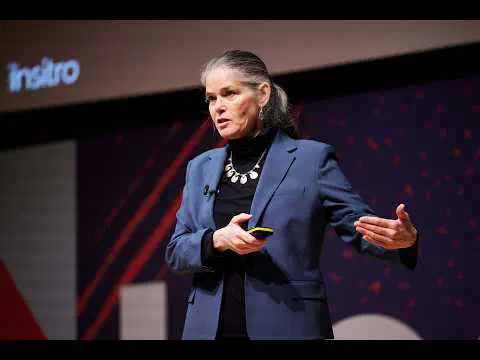
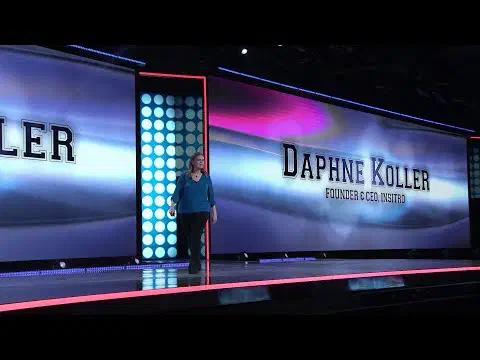
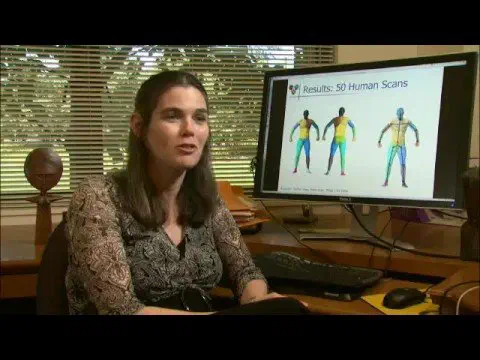
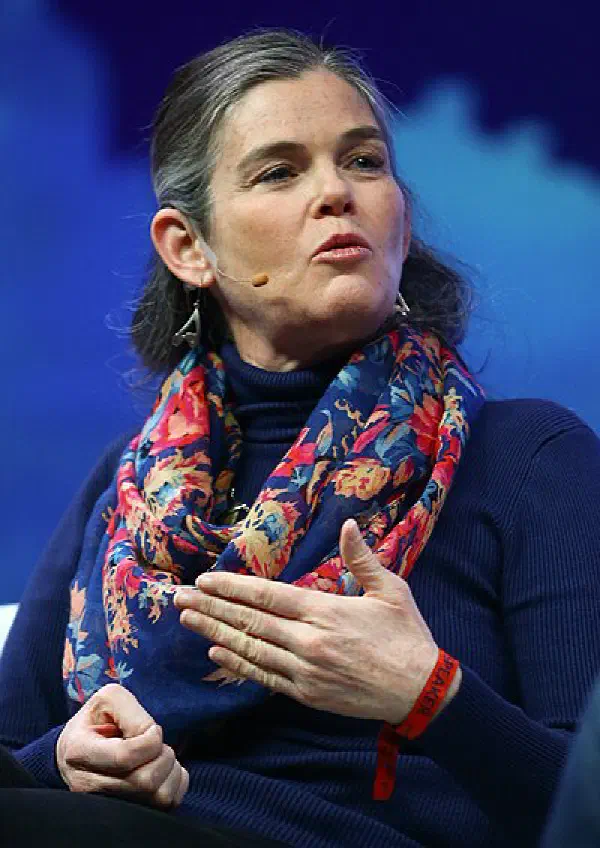
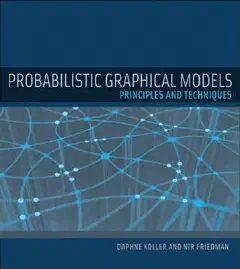
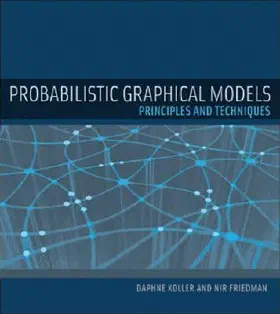
Daphne Koller is one of the rare AI figures who has changed the field twice over — first as a foundational machine-learning researcher, then as an entrepreneur who reshaped how millions learn, and now as someone betting that AI can fix the broken economics of drug discovery. For developers, she’s worth studying precisely because her career predates the deep-learning boom: she built her reputation on probabilistic graphical models — Bayesian networks, Markov random fields, and the structured, uncertainty-aware reasoning that underpins a lot of modern ML even when transformers get the headlines. Her 2009 textbook with Nir Friedman remains the canonical reference on the subject, and her Google Scholar citation count sits north of 120,000.
She spent 18 years on the faculty at Stanford as the Rajeev Motwani Professor of Computer Science, collecting the field’s heavyweight honors along the way — a MacArthur “Genius” Fellowship (2004), a PECASE, and the ACM Prize in Computing (2007) for work combining relational logic with probability. But her broadest cultural impact came in 2012, when she co-founded Coursera with Andrew Ng after their Stanford online courses drew hundreds of thousands of students. As co-CEO until 2016, she helped turn the MOOC from an experiment into a platform that now serves well over 100 million learners. If you learned any ML fundamentals online in the last decade, you likely brushed up against something she built.
In 2018, after a brief stint at Alphabet’s Calico, Koller founded insitro, where she remains Founder and CEO. The thesis is sharp and contrarian: drug discovery fails ~90% of the time in the clinic because we pick the wrong targets, and the way to fix that is not to bolt AI onto the old pipeline but to generate massive, purpose-built biological datasets — high-content cellular imaging, induced pluripotent stem cells, human genetics — that machine learning models can actually learn from. It’s a “data first, then model” philosophy, the opposite of scraping whatever exists. insitro has raised more than $600 million and signed collaborations with Bristol Myers Squibb (ALS and neurodegeneration) and Eli Lilly, including a 2025 deal to build machine-learning models predicting small-molecule pharmacological properties.
What makes Koller matter to someone building with AI today is her clarity about where ML actually creates value. She’s blunt that hype outruns results in “AI for science,” and that the bottleneck is rarely the model — it’s the data, the experimental design, and the honesty about what a prediction is worth when a human life is downstream. She was named to TIME’s 100 Most Influential People in AI (2024) and Forbes’ inaugural list of America’s Greatest Innovators. For a developer, she’s a model of the researcher-founder who treats ML as a means to a hard scientific end, not an end in itself.
Books
Key Articles & Papers
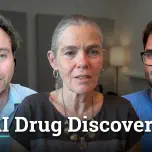
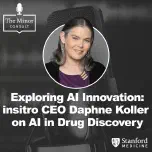
Probabilistic Graphical Models (Coursera course) Daphne Koller: How Machine Learning Is Transforming Drug Discovery insitro Partners with Lilly to Build First-in-Kind ML Models for Small Molecule Drug Discovery Leadership Next: Daphne Koller on Creating Together With Machines Google Scholar — Daphne KollerVideos
Spotify Podcasts


YouTube