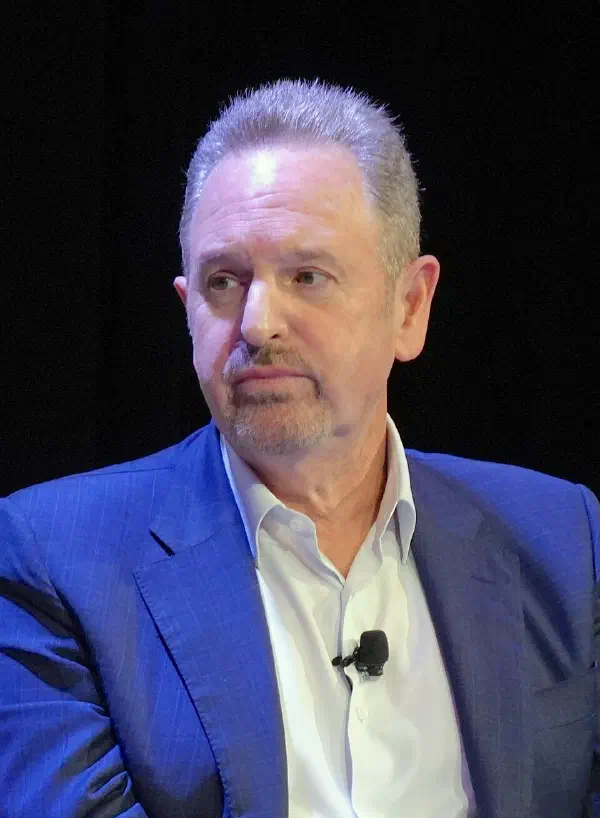
Arm CEO and SoftBank Group International CEO
Rene Haas
Biographies


Profile
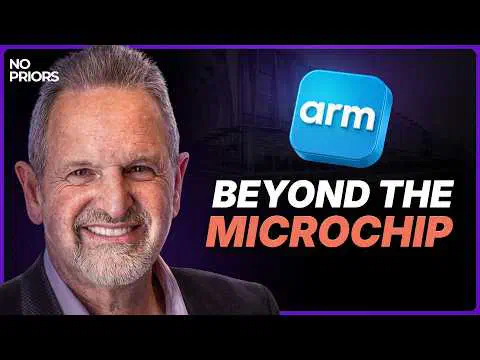
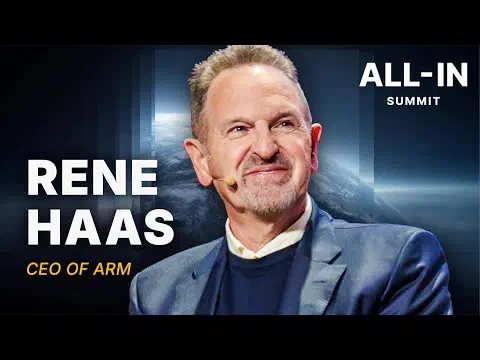
Rene Haas runs Arm, the company whose instruction set architecture is the closest thing the computing world has to a universal substrate — it powers essentially every smartphone on the planet and, increasingly, the edge devices where on-device AI inference actually happens. If you have ever run a quantized LLM on a phone, a laptop NPU, or a Raspberry Pi, you were running on Arm. Haas has been CEO since February 2022, and as of April 2026 he also leads SoftBank Group International, the arm of Arm’s controlling shareholder that coordinates its sprawling semiconductor and AI bets. That dual role makes him one of the more structurally important people in the AI hardware stack, even if he is far less of a public personality than Jensen Huang or Lisa Su.
His path there is worth understanding because it explains the company’s current ambitions. Haas is an electrical engineer by training (Clarkson University), spent seven years at Nvidia as a VP and GM running one of its largest product lines, then joined Arm in 2013 and climbed through strategic alliances, chief commercial officer, and president of the IP products group. He took the CEO seat at a low moment: Nvidia’s $40 billion attempt to buy Arm had just collapsed in February 2022 under regulatory pressure from the FTC, EU, UK, and China. Haas’s job was to turn a would-be acquisition target into a standalone public company, which he did with Arm’s 2023 IPO — one of the largest tech listings of the decade.
For developers, the more interesting story is Arm’s strategic pivot under Haas from pure IP licensor to something closer to a chipmaker. His central thesis is that AI training stays in the cloud but inference moves to the edge — phones, PCs, cars, smart glasses — because that is the only path to AI that is fast, private, and energy-sustainable. He has backed that thesis with concrete developer tooling like KleidiAI, libraries that transparently accelerate AI frameworks on Arm CPUs, and in 2026 with Arm’s own branded silicon (the “Arm AGI CPU”), a genuine departure from a business model that had always stopped at the design. Whether that pivot alienates the licensees Arm depends on is the open question of his tenure.
The honest read: Haas is a steady, technically fluent operator rather than a visionary showman, and that is arguably exactly what a foundational-infrastructure company needs. But sitting simultaneously atop Arm and SoftBank’s international AI portfolio — while Arm both licenses to and starts competing with its own customers — puts him in a web of conflicts that is worth watching closely if you build on this stack.
Key Articles & Papers
The Arm Ecosystem: Powering AI Everywhere – From Cloud to Edge Rene Haas — Arm Newsroom (author archive) An Interview with Arm CEO Rene Haas About Selling Chips Arm CEO Rene Haas Talks AI at CMU President's Lecture Series 20VC: How the Best Leaders Make Decisions — Lessons from 7 Years at Nvidia SoftBank Announces Expanded Role for Rene Haas; Continues as Arm CEOVideos
Controversies
The Qualcomm–Nuvia lawsuit. Arm sued Qualcomm in 2022 over CPU cores Qualcomm acquired with the startup Nuvia, arguing the licenses did not transfer. In December 2024 a jury largely sided with Qualcomm, a notable defeat that raised questions about how aggressively Arm was trying to reprice its customer relationships. During the trial Haas testified plainly that “Qualcomm sells chips, and we don’t” — testimony that sat awkwardly against later reporting (and Arm’s 2026 moves) that the company was in fact preparing to make and sell its own silicon. Critics read this as evidence that Arm was quietly repositioning to compete with the very licensees it was suing.
Licensor-turned-competitor conflict. Arm’s pivot to branded chips under Haas is genuinely contentious: the entire trust model of Arm’s business rested on being a neutral IP supplier that never competed with customers. Building first-party silicon changes that, and Haas’s dual mandate over both Arm and SoftBank’s international AI portfolio deepens the perception of concentrated, conflicted power over a foundational layer of the industry. He has defended the moves as serving customer demand rather than displacing partners, but the tension is real and unresolved.
Spotify Podcasts






YouTube