
Y Combinator co-founder, essayist on startups and AI
Paul Graham
Biographies
Profile
Paul Graham is, more than almost anyone else, the person who wrote the operating manual for the modern startup — and by extension for the companies now building artificial intelligence. In 2005 he co-founded Y Combinator with Jessica Livingston, Robert Morris, and Trevor Blackwell, inventing the batch-model accelerator that has since funded more than 5,000 companies. Some of those companies are load-bearing pillars of the current AI era: OpenAI was seeded inside YC’s orbit, and Stripe, Airbnb, Dropbox, Reddit, and Coinbase all passed through its doors. If you want to understand the cultural DNA of Silicon Valley in 2026 — the reverence for founders, the “make something people want” mantra, the ramen-profitable ethos — you are largely looking at Graham’s fingerprints.
Before YC, Graham was a Lisp hacker with a Harvard PhD in computer science and an art-school detour (RISD and Florence). In the 1990s he and Morris built Viaweb, one of the first web applications, written largely in Common Lisp and sold to Yahoo in 1998 to become Yahoo Store. That experience — a small team using an unusually powerful language to out-build bigger competitors — became the seed of his most enduring theme: that technology is won by a small number of unusually capable people given leverage, a claim that reads as almost prophetic in the age of tiny AI-native teams shipping products that would once have required hundreds of engineers.
But Graham matters to developers today primarily as an essayist. His site, deliberately spartan HTML with no images, hosts 200-plus essays that function as a shared vocabulary for founders. He built Hacker News as its comment section for the world. And unlike many Valley elders, he has engaged the AI shift head-on and with characteristic contrarianism: he calls AI “the exact opposite of a solution in search of a problem,” argues it’s the missing piece completing dozens of nearly-finished puzzles, yet warns founders not to slap “AI” on everything or to outsource the human skills — chiefly writing, which he equates with thinking — that AI makes it tempting to skip.
Now largely stepped back from YC’s day-to-day operations (which passed to Sam Altman and later successors), Graham writes, invests, and occasionally detonates a phrase into the discourse — “founder mode” being the most recent. He is not a researcher and builds no models; his value to someone learning AI is orthogonal to that. He tells you how to think about building the company around the model, how to recognize a real problem, and why clear writing is the closest thing to a superpower a technical founder has.
Books
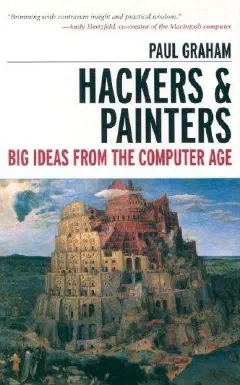
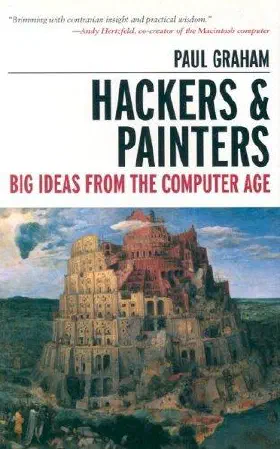
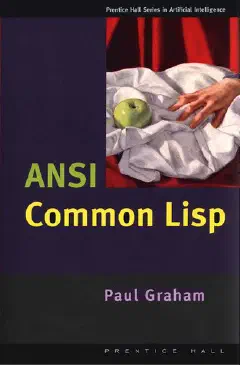
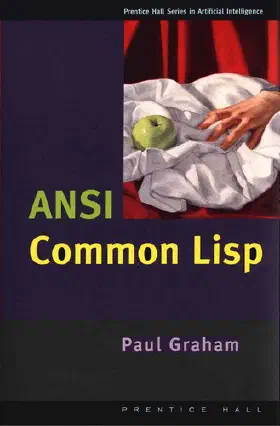
Key Articles & Papers
Founder Mode Writes and Write-Nots How to Do Great Work Do Things That Don't Scale How to Get Startup Ideas Startup = Growth Maker's Schedule, Manager's Schedule How to Disagree Beating the Averages What You'll Wish You'd KnownVideos
Controversies
Graham’s essays regularly draw pushback for what critics see as a narrow lens on who counts as a great founder. His 2014 remarks suggesting he could tell within seconds whether someone would be a good founder — and a comment about founders with strong foreign accents — were widely criticized as reinforcing pattern-matching biases in an industry already skewed toward a particular archetype (Fortune coverage of the ensuing debate). The 2024 “Founder Mode” essay itself was contentious: admirers read it as permission for founders to stay deeply involved as they scale, while critics warned it could be used to excuse micromanagement and the erosion of healthy delegation. Graham is also a polarizing voice on Twitter/X, where his takes on inequality, wokeness, and cities have drawn as much criticism as his essays draw praise. None of this involves misconduct — the disputes are over ideas and influence — but they’re worth knowing when reading him as gospel.
Spotify Podcasts


YouTube